Bee Cave, Texas · Travis County

Bee Cave Backflow Installations

Licensed, property-aware help for new irrigation, pool autofill, commercial equipment, fire-water connections, and assemblies that must be relocated or brought into compliance—planned around the way Bee Cave sites, schedules, and local requirements actually work.

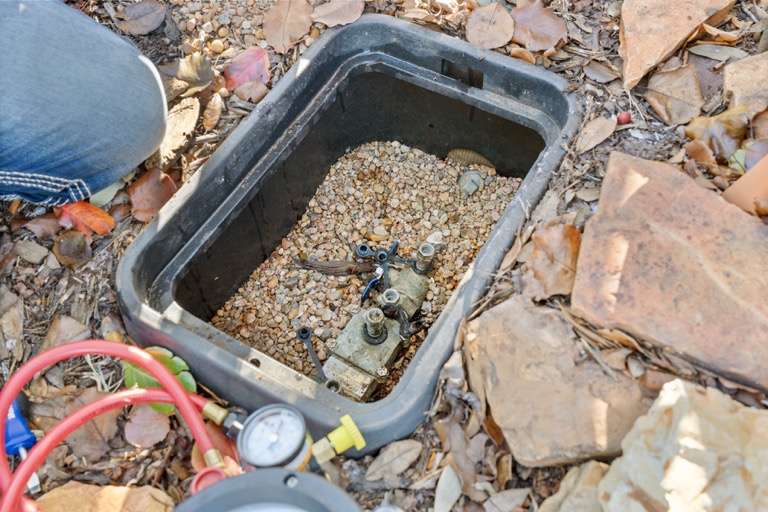
Backflow Installations equipment and field work for Bee Cave, Texas
Install + test supportlicensed plumbing and backflow compliance knowledge
TCEQ licensed
backflow testing
Texas Master Plumber
RMP #43657
BSI + VEPO
compliance filing
Locally owned
Central Texas team

Bee Cave property context

The address changes the plan.

Bee Cave combines high-end residential systems with restaurants, major retail, and managed properties in the Lake Travis corridor.

H2O commonly supports custom homes, retail centers, restaurants, and HOAs around Hill Country Galleria, Falconhead, Spanish Oaks, and The Uplands. We confirm who serves the property, who controls access, what can be shut down, and which records must be delivered before promising a one-size-fits-all scope.

Bee Cave and Lake Travis-area utility expectations may affect coordination, but the exact requirement depends on the service, address, system ownership, and authority having jurisdiction. Useful starting point: Bee Cave utility information.

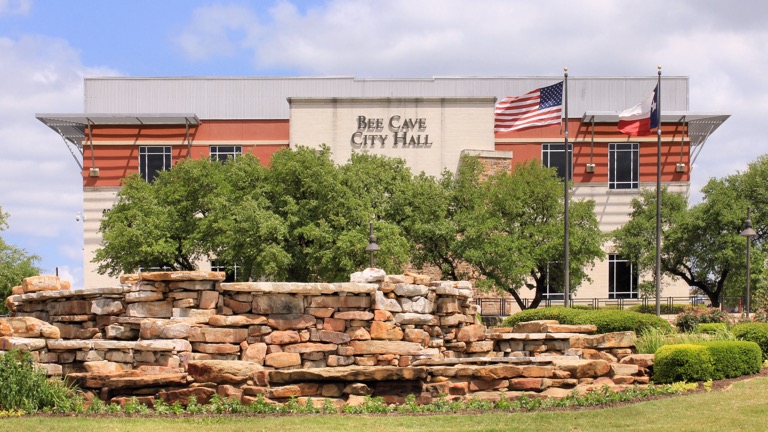
Bee Cave City Hall in Bee Cave, Texas
Bee Cave and nearby Travis County properties, including Hill Country Galleria, Falconhead, Spanish Oaks, and The Uplands.

Local operating conditions

Different properties create different service constraints.

Service-line size, hazard classification, freeze protection, drainage, clearances, permits, and future testing access should be established before field work begins. The examples below show why a single generic city paragraph is not enough.

01

Custom Homes

For custom homes near Hill Country Galleria, the scope may involve service-line size, hazard classification, freeze protection, drainage, clearances, permits, and future testing access. H2O's role is to confirm the hazard and utility expectation, select the assembly, plan placement and drainage, install, test, and document. The intake should identify who controls access and what can be interrupted.

02

Retail Centers

On retail centers near Falconhead, the scope may involve service-line size, hazard classification, freeze protection, drainage, clearances, permits, and future testing access. H2O's role is to confirm the hazard and utility expectation, select the assembly, plan placement and drainage, install, test, and document. Records and field conditions should agree before the work boundary is set.

03

Restaurants

When serving restaurants near Spanish Oaks, the scope may involve service-line size, hazard classification, freeze protection, drainage, clearances, permits, and future testing access. H2O's role is to confirm the hazard and utility expectation, select the assembly, plan placement and drainage, install, test, and document. A realistic service window matters as much as the technical scope.

04

Hoas

A typical concern for HOAs near The Uplands, the scope may involve service-line size, hazard classification, freeze protection, drainage, clearances, permits, and future testing access. H2O's role is to confirm the hazard and utility expectation, select the assembly, plan placement and drainage, install, test, and document. The useful outcome is a documented next step, not a vague recommendation.

Service scope

Backflow Installations with a defined finish line.

H2O's goal is to confirm the hazard and utility expectation, select the assembly, plan placement and drainage, install, test, and document. The exact work is confirmed from the system, property, records, and field conditions—not inferred from the city name alone.

Assembly Selection
Installation Planning
Code-Aware Placement
Testing
City Reporting

Licensed, connected work

One team can follow the water system beyond the first symptom.

A failed assembly may require licensed plumbing. A private hydrant issue may begin below grade. A remodel layout may be decided by drainage and venting behind the wall. H2O connects the diagnosis, field work, testing, and documentation instead of treating each handoff as someone else's problem.

The work sequence

From useful intake to documented completion.

Good service starts before the truck arrives. Send the address, photos, notice or records, system information, access constraints, and timing so the first visit has the right context.

01

Verify the requirement

Match the connection, hazard, serving utility, service size, and notice to the assembly and approval path.

02

Plan the installation

Resolve location, clearances, drainage, freeze protection, valves, shutdowns, permits, and future service access.

03

Install, test, document

Complete the licensed plumbing work, perform the initial test, and close the permit or reporting steps that apply.

Questions before scheduling

Bee Cave Backflow Installations FAQs

Answers grounded in this service, this market, and the property details that change the job.

For a property-specific answer, send the address and any utility, inspection, test, design, or service documents with your request.

When is a new backflow assembly required in Bee Cave?

Backflow protection may be required when a connection presents a cross-connection risk, including irrigation, pool autofill, commercial equipment, certain fire systems, or a changed use. Local water utility serving the property and the serving utility determine the property requirement.

How do you choose the correct assembly?

Selection depends on the hazard, water use, service size, pressure, utility standard, installation orientation, drainage, and whether continuous service is required. A device should never be selected from price alone.

Does a Bee Cave installation need a permit or approval?

Permit and approval requirements depend on the address, scope, and serving authority. We confirm the installation path against Local water utility serving the property rather than assuming every Bee Cave address follows the same process.

Can H2O install and perform the initial test?

Yes. Licensed plumbing and backflow testing can be coordinated so placement, valves, access, testing, and tester-side documentation are handled as one connected scope.

Where should the assembly be installed?

The correct location must satisfy the approved use, manufacturer requirements, utility rules, clearances, drainage, freeze exposure, accessibility, and protection from traffic or damage. The field conditions control.

What should owners of Bee Cave properties plan for?

Properties around Hill Country Galleria, Falconhead, Spanish Oaks, and The Uplands can have different utilities, terrain, access, and system layouts. Bee Cave combines high-end residential systems with restaurants, major retail, and managed properties in the Lake Travis corridor. A site photo, notice, plan, and service-size information help establish the right scope.

How long does installation take?

A straightforward accessible installation may be completed in one visit. Permits, utility coordination, large assemblies, excavation, fabrication, shutdown restrictions, or correction of the existing piping can extend the schedule.

Where can I check Bee Cave cross-connection information?

Use the official Bee Cave utility information resource and the utility notice tied to the property. The notice is more reliable than a generic citywide assumption when multiple water providers serve the area.
Nearby service routes

Backflow Installations beyond Bee Cave.

Route availability depends on the property, scope, access window, and current field schedule. These nearby pages provide the correct local context without changing the service standard.

08 Start here

Schedule Backflow Installations in Bee Cave

Send the Bee Cave address, timing, access notes, and any available system records. We will help define the right next step.